Drug Rehab in Meridian Idaho
Choosing the right treatment facility for yourself or a loved one struggling with substance abuse is one of the most important decisions you’ll ever make. The path to recovery requires commitment, support, and access to evidence-based treatment methods that address both addiction and underlying mental health concerns. When searching for a drug rehab in Meridian Idaho, it’s essential to understand what quality care looks like and how to identify programs that offer comprehensive, personalized treatment approaches. Meridian has grown into one of Idaho’s most vibrant communities, and with that growth comes increased access to quality healthcare services, including addiction treatment. However, not all rehab facilities are created equal. The best drug rehab in Meridian Idaho will offer a continuum of care that addresses every stage of recovery, from initial detoxification through long-term relapse prevention. Understanding the various treatment modalities and levels of care available will empower you to make an informed decision that sets the foundation for lasting sobriety.
Understanding Your Treatment Needs
Before selecting a drug rehab in Meridian Idaho, it’s important to assess the severity of the addiction and any co-occurring mental health disorders. Substance abuse rarely exists in isolation—many individuals struggle with anxiety, depression, trauma, or other mental health conditions that contribute to their addiction. A comprehensive assessment conducted by qualified professionals will help determine which level of care is most appropriate and which therapeutic approaches will be most effective. The journey to recovery is deeply personal, and what works for one person may not work for another. Some individuals require intensive, structured environments to break free from addiction, while others may benefit from more flexible outpatient services that allow them to maintain work and family responsibilities. The key is finding a drug rehab in Meridian Idaho that can tailor treatment to your specific needs, circumstances, and goals.
Detoxification and Intervention Assistance
For many individuals entering treatment, the first step is medical detoxification. This supervised process helps the body safely eliminate drugs or alcohol while managing withdrawal symptoms, which can range from uncomfortable to potentially life-threatening depending on the substance and duration of use. Quality detox services include:
- 24/7 medical monitoring by trained healthcare professionals
- Medication-assisted treatment to reduce cravings and withdrawal discomfort
- Nutritional support and hydration management
- Emotional support during the challenging early days of recovery
- Seamless transition planning to the next level of care
Many families also benefit from professional intervention services when a loved one is resistant to seeking help. Trained interventionists work with families to plan and conduct effective interventions that encourage individuals to accept treatment. When looking for a drug rehab in Meridian Idaho, consider whether the facility offers or can coordinate intervention services to help bridge the gap between denial and acceptance.
Inpatient and Outpatient Treatment Options
One of the most critical decisions when selecting a drug rehab in Meridian Idaho is determining whether inpatient or outpatient treatment is most appropriate. Inpatient (residential) treatment provides a structured, immersive environment where individuals live at the facility for the duration of their program, typically ranging from 30 to 90 days or longer. This level of care offers:
- Removal from environments and triggers associated with substance use
- Round-the-clock support and supervision
- Intensive therapeutic programming throughout each day
- Peer support from others in recovery
- Focus solely on healing without outside distractions
Outpatient treatment, conversely, allows individuals to live at home while attending scheduled therapy sessions and programming at the facility. Outpatient programs vary in intensity, from partial hospitalization programs (PHP) that require attendance several hours daily to intensive outpatient programs (IOP) with sessions several times weekly, to standard outpatient care with weekly appointments. The best drug rehab in Meridian Idaho will offer multiple levels of care, allowing for step-down services as individuals progress in their recovery.
Transitional Living and Continued Support
The transition from intensive treatment back to independent living represents a vulnerable period for many individuals in recovery. Transitional living environments, also known as sober living homes or halfway houses, provide structured, substance-free housing with varying levels of support. These residences bridge the gap between treatment and independence by offering:
- Accountability through regular drug testing
- House rules and expectations that support sobriety
- Peer support from fellow residents in recovery
- Time to develop life skills and establish healthy routines
- Connection to community resources and support groups
When evaluating a drug rehab in Meridian Idaho, ask about their transitional living options or partnerships with reputable sober living facilities. This continuity of care significantly improves long-term recovery outcomes by providing ongoing structure and support during the critical early months of sobriety.
Individual and Group Therapy
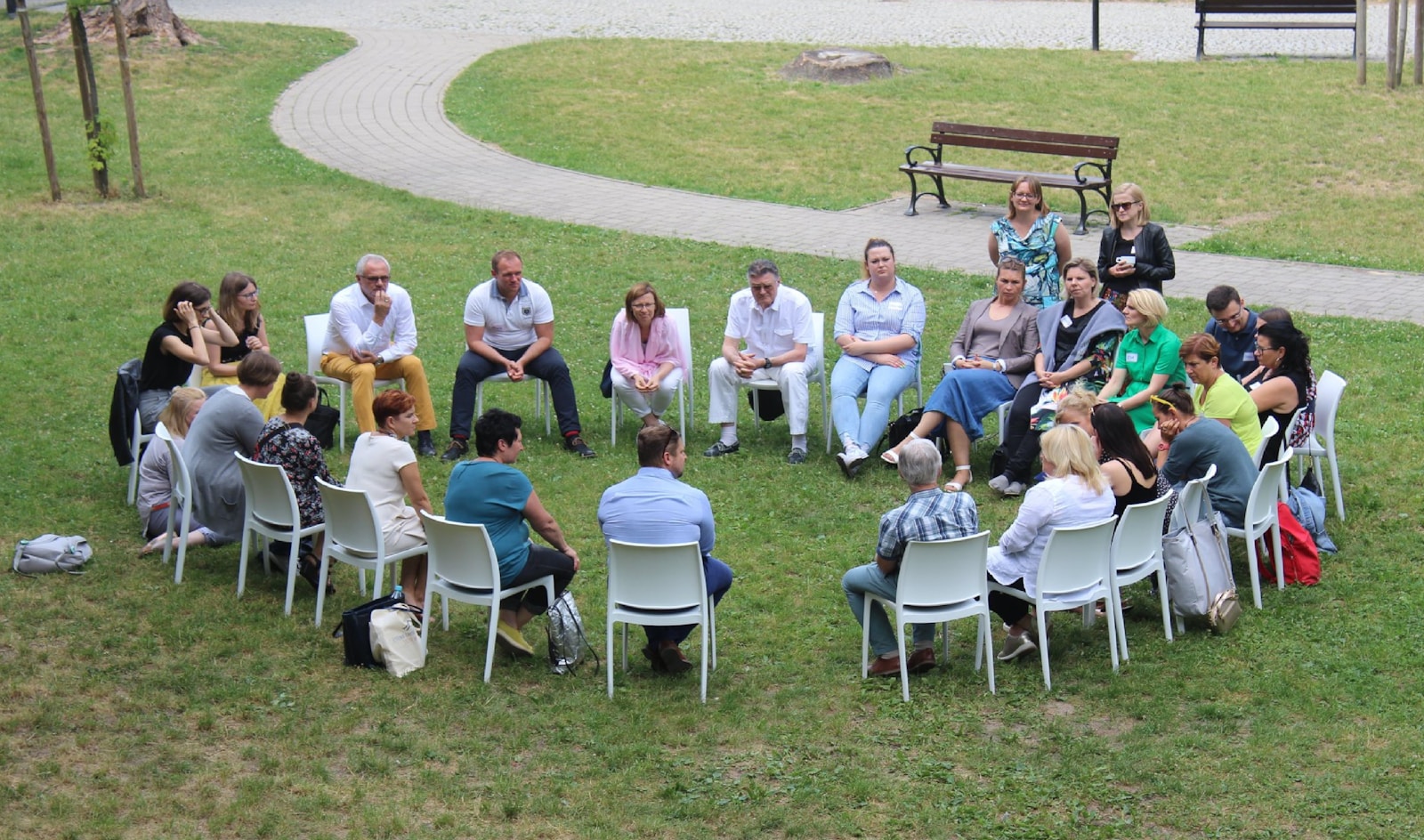
Therapy forms the foundation of addiction treatment, addressing the psychological, emotional, and behavioral aspects of substance abuse. Quality programs incorporate both individual and group therapy sessions throughout treatment. Individual therapy provides a confidential space to work one-on-one with a licensed therapist to:
- Explore the root causes of addiction
- Identify and process trauma or painful experiences
- Develop personalized coping strategies
- Set recovery goals and create action plans
- Address co-occurring mental health disorders
Group therapy complements individual work by creating a community of support where participants can:
- Share experiences and learn from others facing similar challenges
- Practice communication and interpersonal skills
- Give and receive feedback in a safe environment
- Build connections that extend beyond treatment
- Reduce feelings of isolation and shame
A comprehensive drug rehab in Meridian Idaho should offer multiple group therapy options, including process groups, psychoeducational groups, and specialized groups for specific populations or issues.
Evidence-Based Therapeutic Modalities
The most effective addiction treatment programs utilize evidence-based therapeutic approaches that have been scientifically proven to support recovery. When researching a drug rehab in Meridian Idaho, look for facilities that incorporate these essential modalities: Eye Movement Desensitization and Reprocessing (EMDR) is particularly effective for individuals whose addiction is rooted in trauma. This therapy helps process traumatic memories through bilateral stimulation, reducing their emotional charge and impact. EMDR can address:
- Post-traumatic stress disorder (PTSD)
- Childhood trauma and adverse experiences
- Sexual assault or violence
- Complicated grief and loss
- Anxiety disorders linked to traumatic events
Cognitive Behavioral Therapy (CBT) focuses on identifying and changing negative thought patterns and behaviors that contribute to addiction. Through CBT, individuals learn to:
- Recognize triggers and high-risk situations
- Challenge distorted thinking and beliefs
- Develop healthier coping mechanisms
- Build problem-solving skills
- Practice relapse prevention strategies
Dialectical Behavior Therapy (DBT) was originally developed for borderline personality disorder but has proven highly effective for addiction treatment, especially for individuals who struggle with emotional regulation. DBT teaches four key skill sets:
- Mindfulness to increase present-moment awareness
- Distress tolerance to manage crisis situations without substances
- Emotion regulation to identify and manage intense feelings
- Interpersonal effectiveness to improve relationships and communication
Motivational Interviewing is a collaborative, person-centered approach that strengthens an individual’s motivation and commitment to change. This non-confrontational method helps resolve ambivalence about recovery and empowers individuals to identify their own reasons for pursuing sobriety. When selecting a drug rehab in Meridian Idaho, ensure staff are trained in motivational interviewing techniques, as this approach significantly improves engagement and outcomes.
Case Management and Relapse Prevention
Recovery extends far beyond addressing substance use alone—it requires rebuilding all aspects of life affected by addiction. Case management services provide essential support in navigating the practical challenges of recovery, including:
- Coordinating medical and mental health care
- Connecting with community resources and support services
- Assisting with housing, employment, and legal issues
- Facilitating insurance and financial assistance
- Creating comprehensive discharge plans
Relapse prevention is woven throughout quality treatment programs, equipping individuals with tools and strategies to maintain sobriety long after leaving treatment. A strong drug rehab in Meridian Idaho will provide extensive relapse prevention education covering:
- Identifying personal triggers and warning signs
- Developing a relapse prevention plan
- Building a sober support network
- Establishing healthy routines and self-care practices
- Creating crisis management strategies
- Understanding the stages of relapse (emotional, mental, physical)
Family Support and Involvement
Addiction affects entire families, not just the individual struggling with substance use. Family members often experience their own trauma, develop unhealthy coping mechanisms, and may unknowingly enable addictive behaviors. The best drug rehab in Meridian Idaho recognizes the importance of family involvement and offers:
- Family therapy sessions to improve communication and heal relationships
- Educational programming to help families understand addiction as a disease
- Support groups for family members to process their own experiences
- Guidance on setting healthy boundaries
- Aftercare planning that includes family participation
Family involvement in treatment correlates with improved outcomes and reduced relapse rates. When family members understand the recovery process and their role in supporting it, they become valuable allies in maintaining long-term sobriety.
Breaking the Stigma Surrounding Addiction and Mental Health
One of the biggest barriers to treatment is the stigma surrounding addiction and mental health disorders. Despite growing awareness that substance use disorder is a medical condition—not a moral failing—many people still face judgment, discrimination, and shame when seeking help. This stigma shows up in many ways. Individuals may fear losing their jobs, harming their reputations, or being treated differently by friends and family if they admit to struggling. Addiction is a complex brain disease influenced by genetic, environmental, psychological, and social factors. Mental health disorders are also legitimate medical conditions that require professional care. No one chooses addiction, and no one should feel ashamed for seeking help. The courage to admit you need support and take steps toward recovery deserves respect, not judgment. Choosing a treatment center that treats clients with dignity and uses a compassionate, evidence-based approach helps break harmful stigmas and prioritizes your health and wellbeing.
Understanding Insurance and Financial Considerations
Navigating the financial aspects of addiction treatment can feel overwhelming, but understanding options helps remove barriers to care. Most insurance plans now cover substance abuse treatment under the Mental Health Parity and Addiction Equity Act. This law requires insurers to treat mental health and addiction services comparably to medical and surgical benefits. When exploring options, contact facilities directly to verify insurance acceptance and understand covered services under your plan. Many quality centers have insurance specialists who verify benefits, explain out-of-pocket costs, and maximize coverage. If uninsured or underinsured, financial concerns shouldn’t prevent you from seeking help. Many facilities offer sliding scale fees, payment plans, or connections to state-funded programs and grants. Some employers provide Employee Assistance Programs offering free or reduced-cost assessments and referrals to treatment. Consider the long-term financial impact of untreated addiction versus investing in quality treatment. Costs from continued substance use—including medical bills, legal fees, lost wages, and damaged relationships—exceed treatment expenses. Comprehensive treatment provides lasting recovery and improves quality of life.
Conclusion
Selecting the right treatment facility requires careful consideration of multiple factors. Look for accredited facilities with licensed, experienced staff who demonstrate genuine compassion and expertise. Tour facilities when possible, ask detailed questions about their treatment philosophy and specific programming, and request information about success rates and aftercare support. Don’t hesitate to verify credentials, check reviews and testimonials, and speak with alumni when possible. The facility should conduct thorough assessments, create individualized treatment plans, and offer a comprehensive continuum of care. Most importantly, trust your instincts—the right treatment environment should feel safe, supportive, and committed to your long-term success. Recovery is possible, and choosing the right treatment center is the first step toward reclaiming your life from addiction. With comprehensive care that addresses both substance abuse and co-occurring mental health disorders through evidence-based therapies, supportive services, and compassionate treatment, lasting sobriety becomes an achievable reality. Let us help you along your journey by calling 1 (208) 314-3107 or visiting our website. Take that courageous first step today—your future self will thank you.