
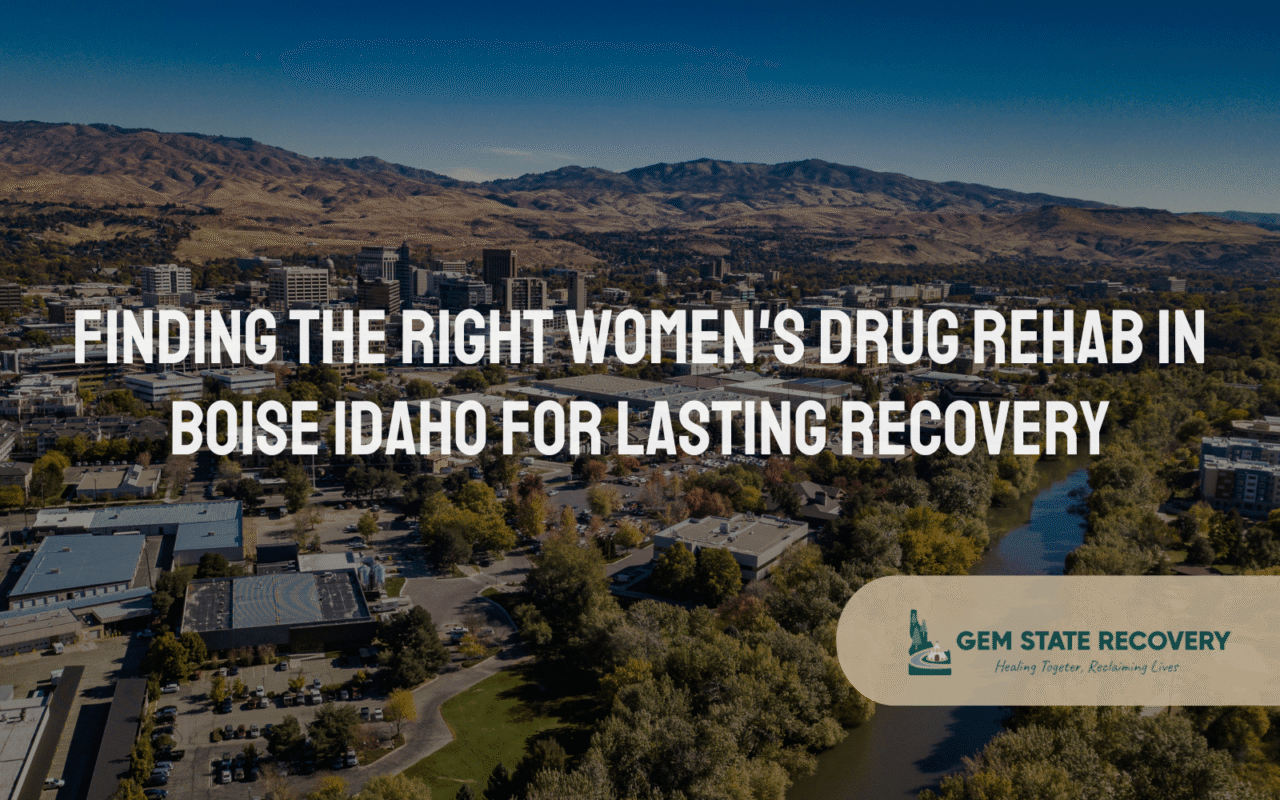
Women’s Drug Rehab in Boise Idaho
Recovering from addiction is one of the most courageous steps a person can take. For women, finding a program designed around their unique needs is essential. A quality women’s drug rehab in Boise Idaho offers gender-responsive, trauma-informed care. It provides a safe environment where real healing can begin. Women face specific challenges in addiction, including trauma, co-occurring mental health disorders, and relationship dynamics. A program designed specifically for women addresses all of these factors. This guide walks through the key services that make treatment effective and lasting.
Breaking the Stigma Around Addiction and Mental Health
One of the biggest barriers to seeking help is stigma. Many women fear judgment from family, coworkers, and their broader community. They may feel deep shame about their substance use or mental health struggles. This stigma can delay treatment and allow addiction to worsen over time. It is important to understand that addiction is a medical condition, not a moral failure. Mental health disorders are equally real and equally deserving of professional care. No one chooses to develop an addiction or a mental health disorder. Seeking help is a sign of strength, not weakness. Society’s tendency to blame rather than support people with these conditions causes real harm. It discourages women from reaching out when they need help the most. A compassionate women’s drug rehab in Boise Idaho treats every client with full dignity and respect. Breaking through stigma is often the first and most important step toward healing.
Intervention Assistance and Medical Detox
Many women need support before they can even take the first step toward treatment. Intervention assistance helps families guide their loved ones toward professional care. Trained intervention specialists work with families to approach the conversation with compassion. They help loved ones express concern without shame or blame. Once a woman decides to seek help, medical detox is usually the necessary first step. Detox safely manages withdrawal symptoms under around-the-clock medical supervision. Without proper detox, withdrawal can be dangerous or even life-threatening. A women’s drug rehab in Boise Idaho provides medically monitored detox programs tailored to each client. This ensures every woman is physically stable and ready to fully engage in treatment.
Individual and Group Therapy
Therapy is the foundation of any strong, evidence-based recovery program. Individual therapy gives women a private, confidential space to explore trauma, triggers, and emotions. A licensed therapist works one-on-one to build personalized coping strategies for each client. Therapists help women understand how past experiences have shaped their current patterns and behaviors. Group therapy adds another powerful and unique layer to the healing process. Sharing experiences with peers reduces isolation and fosters genuine community. Women often find deep connection and understanding within group therapy settings. Hearing how others have navigated similar struggles can be profoundly motivating. Group settings also help women practice new communication and boundary-setting skills in real time. A well-rounded women’s drug rehab in Boise Idaho offers both individual and group therapy consistently. Together, these complementary approaches address the emotional and psychological roots of addiction.
Cognitive Behavioral Therapy (CBT)
Cognitive Behavioral Therapy, or CBT, is one of the most research-backed treatment methods available. CBT helps clients identify negative thought patterns that drive harmful and self-destructive behaviors. Women learn to challenge distorted thinking and replace it with healthier, more realistic responses. This skill-based approach is practical and highly effective for addiction and mental health recovery alike. CBT also helps treat co-occurring disorders like anxiety, depression, and PTSD. Sessions are structured, goal-oriented, and focused on building real-life coping skills. The techniques learned in CBT continue to serve women long after they leave formal treatment.
Dialectical Behavior Therapy (DBT)
Dialectical Behavior Therapy, or DBT, was originally developed to treat borderline personality disorder. It has since become a cornerstone of addiction and trauma treatment programs nationwide. DBT focuses on four core skill areas:
- Mindfulness — staying present and grounded in the current moment
- Distress Tolerance — managing crisis situations without making things worse
- Emotion Regulation — understanding and controlling intense or overwhelming emotions
- Interpersonal Effectiveness — building and maintaining healthy, supportive relationships
Women dealing with trauma, self-harm, or emotional dysregulation benefit greatly from DBT skills. The structured nature of DBT gives women clear, actionable tools for daily life. A strong women’s drug rehab in Boise Idaho incorporates DBT as a key clinical component of treatment.
EMDR Therapy
Eye Movement Desensitization and Reprocessing, or EMDR, is a powerful trauma-focused therapy. Many women in addiction treatment carry significant unresolved trauma from their past. EMDR helps the brain reprocess traumatic memories in a safe and structured clinical setting. Bilateral stimulation — often through guided eye movements — reduces the emotional weight of painful memories. Women often describe feeling lighter and less controlled by their past experiences after EMDR sessions. This therapy is especially effective for PTSD, survivors of abuse, and complex developmental trauma. Addressing trauma directly is critical, because unresolved trauma is a leading driver of addiction. Including EMDR in a women’s drug rehab in Boise Idaho program helps heal addiction at its root cause.
Inpatient and Outpatient Treatment Options
Treatment intensity should always match each woman’s individual needs and circumstances. The right level of care makes a significant difference in long-term outcomes. A quality women’s drug rehab in Boise Idaho offers multiple levels of care:
- Inpatient Treatment — 24/7 residential care in a structured, supportive environment
- Outpatient Treatment — flexible scheduling for women managing family or work obligations
- Intensive Outpatient Programs (IOP) — more clinical hours per week than standard outpatient
Inpatient treatment is best suited for severe addiction or complex co-occurring mental health needs. Outpatient care allows women to apply recovery skills within their real-world daily environment. Transitioning between levels of care is a natural and healthy part of the full recovery process.
Partial Hospitalization Program (PHP)
A Partial Hospitalization Program, or PHP, bridges the gap between inpatient and outpatient levels of care. Women attend structured clinical programming for several hours each day, typically five days a week. They return home or to a sober living environment each evening after programming concludes. PHP provides intensive clinical support without requiring full residential placement. It is ideal for women who have completed detox or inpatient treatment and are ready for more independence. PHP keeps clients engaged in therapy, skill-building, and peer support during a critical transition period. Women in PHP benefit from the accountability of daily check-ins and structured schedules. It also allows women to begin applying recovery skills in daily life while still receiving strong clinical support. It allows for a gradual and supported reintegration into independent daily living.

Transitional Living
Leaving residential treatment can be an overwhelming experience without adequate support. Transitional living, also called sober living, provides a structured and substance-free home environment. Women live alongside peers in recovery, following house rules and shared accountability systems. This setting bridges the critical gap between residential treatment and full independent living. Transitional living gives women the time and stability to build new, healthy routines. It also significantly reduces the risk of relapse during a particularly vulnerable period of recovery. Many women find that transitional living is where real-life recovery skills truly take hold and become lasting habits.
Case Management
Navigating recovery involves far more than attending therapy sessions. Case management ensures that every woman receives coordinated, comprehensive, and personalized support. A dedicated case manager helps address barriers that could otherwise prevent lasting recovery:
- Coordinating medical appointments and psychiatric evaluations throughout treatment
- Connecting clients to community resources, housing programs, and social services
- Assisting with employment, education, and legal needs as appropriate
- Monitoring treatment progress and adjusting care plans based on evolving needs
Case managers serve as dedicated advocates throughout the entire recovery journey. A women’s drug rehab in Boise Idaho with strong case management consistently improves long-term recovery outcomes.
Mentoring and Alumni Program
Recovery does not end when formal treatment is complete — it is an ongoing, lifelong process. Mentoring programs connect women in early recovery with experienced peers who have walked the same path. A mentor provides encouragement, honest accountability, and practical real-world insight. Alumni programs keep the recovery community meaningfully connected long after discharge. Many women find that giving back through mentoring strengthens their own sobriety significantly. These programs build a lasting network of support that women can rely on for years to come. A women’s drug rehab in Boise Idaho with active alumni engagement consistently sees higher rates of long-term recovery success.
Life Skills Development
Addiction often disrupts a woman’s ability to manage the responsibilities of everyday life. Life skills programming helps rebuild these essential practical capabilities. Topics covered in life skills training typically include:
- Budgeting, financial literacy, and responsible money management
- Time management, daily scheduling, and building structured routines
- Healthy cooking, nutrition basics, and self-care practices
- Job readiness, resume writing, and interview preparation skills
These practical skills reduce daily stress and build genuine confidence in recovery. Women who feel capable in managing their daily lives are better equipped to sustain lasting sobriety. Life skills training is a vital and often undervalued component of any complete treatment program.
Medication Management
For many women, medication plays an important and legitimate role in stabilizing recovery. Medication-Assisted Treatment, or MAT, uses FDA-approved medications to reduce cravings and ease withdrawal symptoms. Psychiatric medications may also be prescribed to treat co-occurring mental health disorders such as depression or anxiety. A licensed medical team monitors each woman’s medication plan carefully and consistently. Dosages are adjusted based on individual clinical progress and evolving therapeutic needs. Medication management is always paired with therapy for the most effective outcomes. A women’s drug rehab in Boise Idaho with licensed prescribers on staff ensures safe, evidence-based medication support throughout treatment.
Relapse Prevention
Relapse prevention is not an afterthought — it is a core component of every individualized treatment plan. Women learn to identify personal triggers, early warning signs, and high-risk situations unique to their own recovery. Evidence-based strategies help them respond to cravings and urges without acting on them destructively. Relapse prevention planning typically includes:
- Creating a personalized relapse prevention plan well before discharge
- Building a strong support network of sober peers, sponsors, and mentors
- Developing healthy coping strategies for managing stress and difficult emotions
- Committing to ongoing participation in aftercare and community support groups
Relapse does not mean failure — it is often part of the broader recovery process for many people. Learning from setbacks and returning to care quickly reflects genuine commitment to lasting sobriety.
Family Support
Addiction affects the entire family system, not just the individual seeking treatment. Family support programming helps loved ones better understand addiction as a chronic medical condition. It equips families with tools to communicate effectively, set healthy boundaries, and heal together. Many women cite strong family involvement as a central motivator in their recovery journey. Family therapy sessions directly address relationship damage caused by years of active addiction. Education programs help family members identify and stop enabling behaviors that can hinder recovery. A women’s drug rehab in Boise Idaho that genuinely prioritizes family healing creates a far stronger foundation for lasting sobriety.
Conclusion
No two women experience addiction in exactly the same way. That is precisely why individualized, gender-responsive care makes such a meaningful difference in outcomes. A quality women’s drug rehab in Boise Idaho addresses the full picture — trauma, mental health, relationships, and practical life skills. From medical detox through alumni support, every phase of the treatment journey matters deeply. Recovery is not a linear path, but the right program provides the tools, support, and structure to make it possible. If you or someone you love is ready to seek help, do not wait to reach out. The best time to start is now. Call us at 1 (208) 314-3107 or visit our website to for more assistance. Contact a trusted women’s drug rehab in Boise Idaho today and take the first step toward lasting, meaningful change.